DIY Cattle Panel Trellis for Raised Bed Gardens
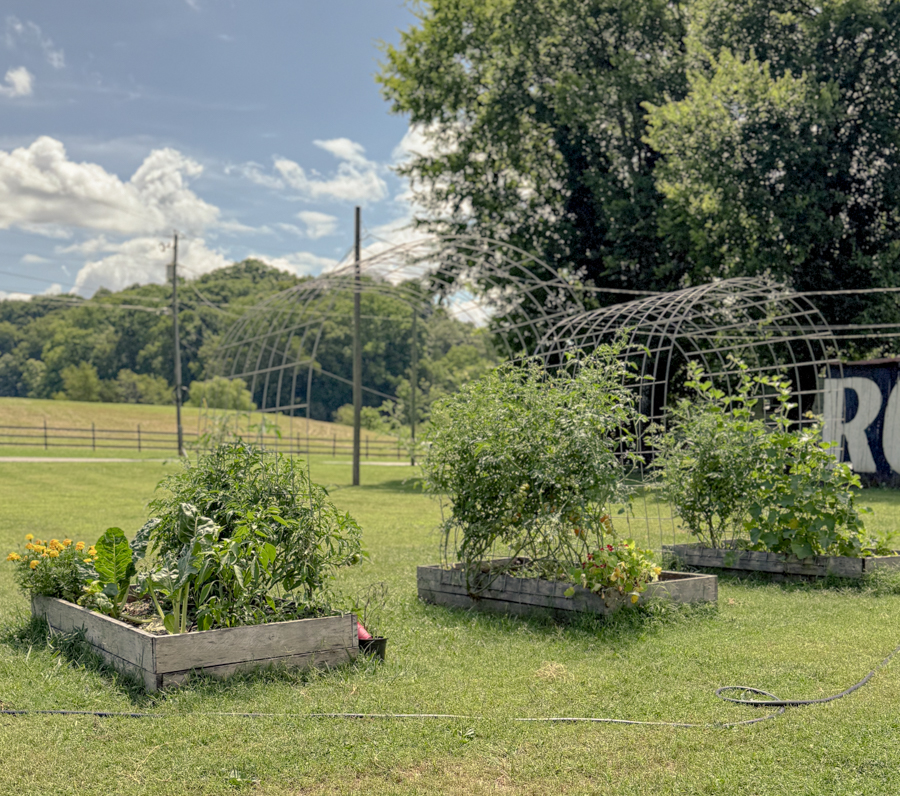
When we started adding more raised beds to our garden, I knew I needed a smarter way to grow without taking up more space. That’s when we had the idea to build a DIY cattle panel trellis between our beds—and it completely changed how much food we could grow in the same footprint.
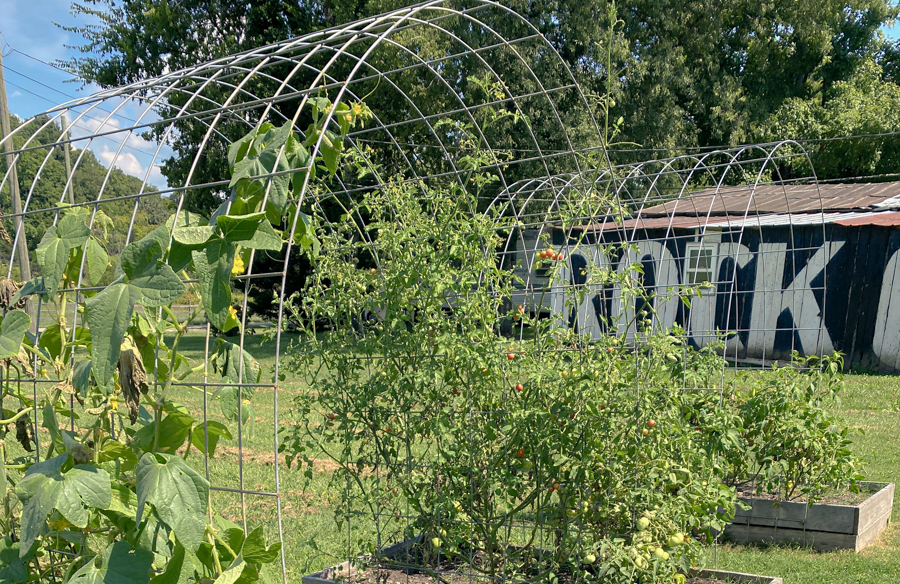
Instead of plants spilling into the pathway, they climbed up and over each trellis, creating a sturdy, productive arch between each raised bed that was both beautiful and practical.
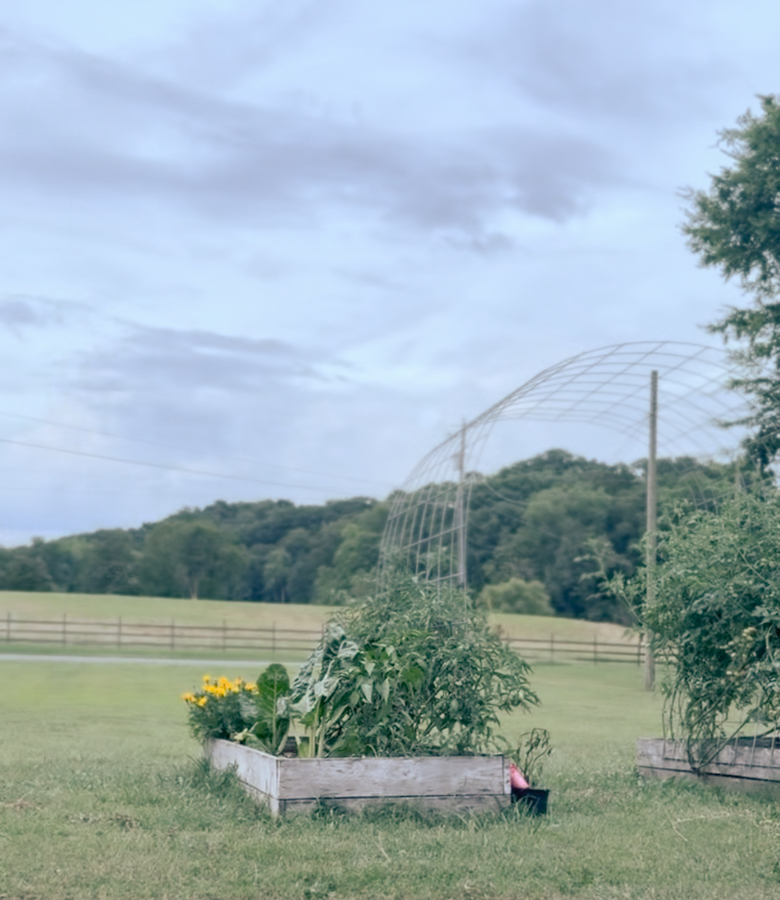
If you’re working with raised beds and want to grow more without expanding your garden, this setup is simple, affordable, and incredibly effective. Cattle panel trellises are one of those homestead upgrades that feel almost too simple for how much they change things. They allow you to grow up instead of out, support heavy crops without fuss, and last for years with very little maintenance.
Let’s walk through exactly how to build one alongside your own raised beds—no overthinking required.
This post contains affiliate links, which means I may make a small commission at no extra cost to you. See my full disclosure here.
why DIY cattle panel trellises work for raised beds
Cattle panels are rigid livestock fencing panels, usually about 16 feet long, made from welded wire. In the garden, they shine because they’re strong enough to support heavy crops (like squash or tomatoes) without bending or sagging.
They’re also far more affordable than many “garden-specific” trellises, and they last for years as opposed to just a single season.
Because of their height and strength, cattle panels are especially well-suited for vertical gardening in tight spaces, helping you grow more food without needing more ground.
Once you use one, it’s hard to go back!
materials needed for a DIY cattle panel trellis
The setup for a DIY cattle panel trellis between raised beds is slightly different than a freestanding trellis, but is actually even simpler.
Supplies
All supplies listed are linked so they can easily be found at Tractor Supply.
- 1 cattle panel per trellis (16 feet long)
- Raised beds made of wood
- Heavy-duty zip ties or fencing wire
- Optional: corner brackets (for extra reinforcement)
Tools
- Drill with exterior-grade screws
- Wire cutters (if using fencing wire)
- Measuring tape
- Work gloves
How Far Apart Should Raised Beds Be for a Cattle Panel Trellis?
This matters more than you might think. This is why it’s helpful to plan for a trellis before installing raised beds, but if you didn’t think that far ahead, keep reading. It may work just fine.
- Ideal spacing: 3–4 feet between beds
- Narrower spacing creates a taller arch
- Wider spacing creates a gentler curve
We aim for walkways that are wide enough to move through comfortably, but narrow enough that plants can meet in the middle and climb easily.
step-by-step: how to build a DIY cattle panel trellis between raised beds
1. Position the Raised Beds
Set up your raised beds parallel to each other with consistent spacing. Make sure they’re level and secure before attaching anything.
Once the trellis is up, you won’t want to shift beds around.
2. Bend the Cattle Panel Into an Arch
Stand the cattle panel upright and gently bend it into a curved arch. Cattle panels are flexible, but sturdy. Go slow for safety, and let the curve form naturally.
It’s okay if you don’t get a perfect shape. Plants don’t care.
3. Attach the Panel to the Inside of Each Raised Bed
This is the key step.
- Place the ends of the cattle panel inside each raised bed to avoid unnecessary pulling
- Line the panel up flush with the inner wall of the bed
- Secure it using heavy-duty zip ties, fencing wire, or brackets depending on your raised bed material
- For wooden beds, you can also use conduit straps screwed directly into the bed walls for extra strength
Attaching the panel to the inside of the beds keeps the trellis stable and prevents it from shifting under heavy growth.
4. Secure and Check Stability
Once both sides are attached:
- Push gently on the arch
- Tighten fasteners as needed
- Make sure nothing rubs sharp edges against the bed wood
If it isn’t falling over or too wobbly, you’re good to plant.
What to Plant on a Raised Bed Cattle Panel Trellis
This setup shines with vining crops that like airflow and sun! Of course, I’m going to give you ideas on how to put that trellis to good use. Here are some crops I love growing on my trellis:
- Cucumbers
- Pole beans
- Peas
- Indeterminate tomatoes
- Small squash varieties (support heavy fruit if needed)
- Canteloupe or other small to medium-size melon
I always plant on both sides of the arch, so the plants meet in the middle and have the opportunity create a lovely shaded walkway.
Tips for Growing on Trellises Between Raised Beds
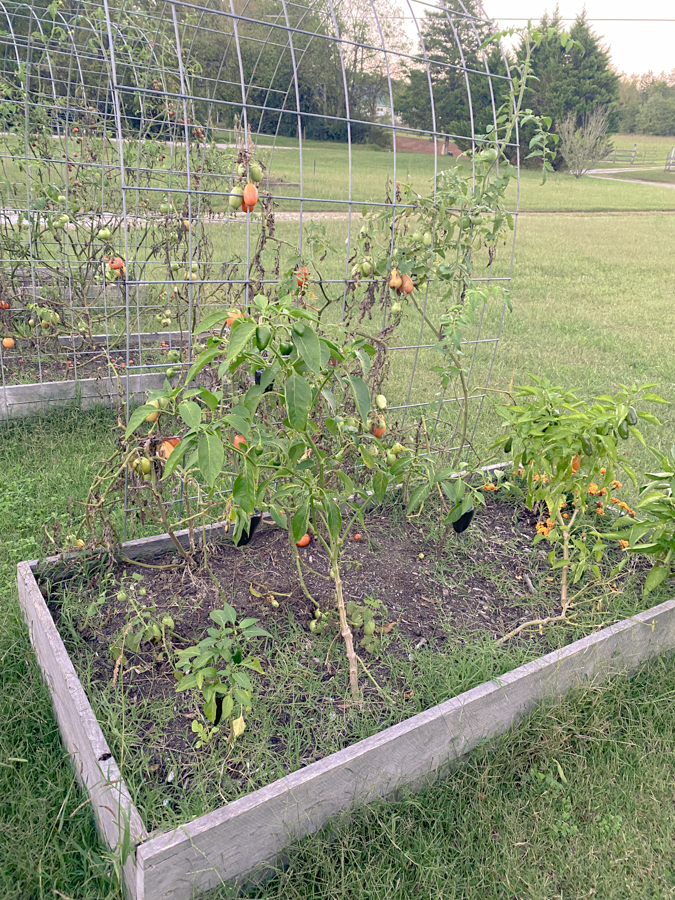
- Train vines early so they head upward instead of outward
- Check your plants often and make sure they are growing up the trellis
- Keep the center walkway clear for harvesting
- Prune excess growth if airflow seems to be getting tight
- Harvest often! Vertical growth makes it easy to spot what’s ready to pick
One thing I love about the DIY cattle panel trellis layout is that it keeps plants healthier and makes harvesting faster.
Maintenance and Seasonal Care
One of the best parts about a cattle panel trellis is how little maintenance it needs. Once it’s installed, it can stay in place year-round without issue.
At the end of the season, remove old vines and plant debris so it’s ready for spring. Each year, take a quick look at fasteners and tighten anything that’s loosened.
From there, it’s easy to replant as the seasons change. The trellis adapts well to everything from early peas to heavy summer vines, with very little effort on your part.
These trellises hold up beautifully over time and only get better as your garden matures.
Why This Is My Favorite Raised Bed Upgrade
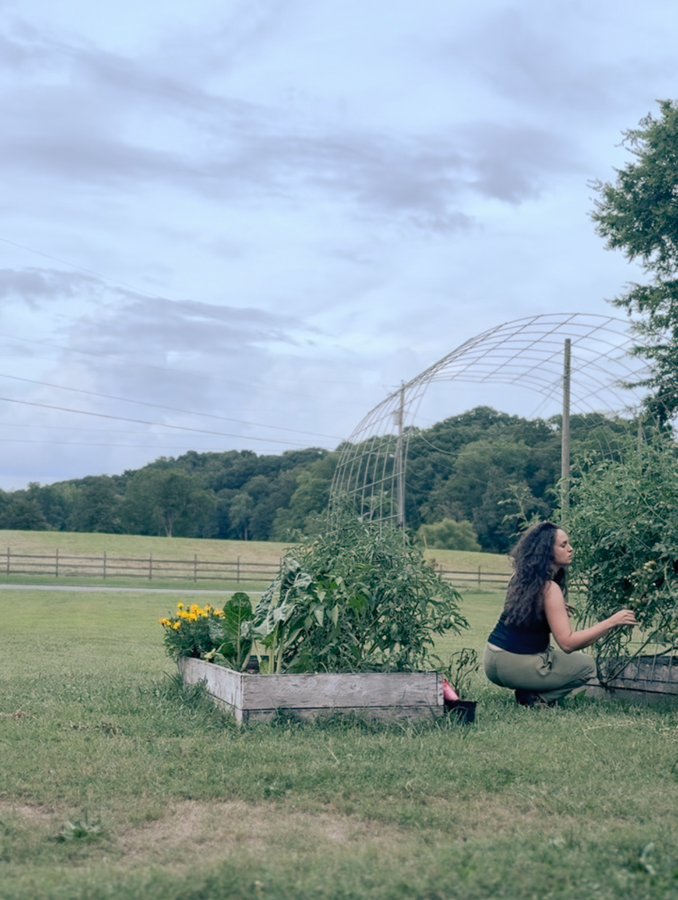
Out of all the garden changes we’ve made, cattle panel trellises between raised beds give the biggest return for the least effort.
They save space. boost yields, and make the garden feel peaceful and intentional.
And, installing it was super easy.
Once you build one, you’ll start seeing places for them everywhere!
If you’re working with raised beds and want to grow more without expanding your garden, this is a simple place to start. Leave a comment below and tell me if you’re going to try it! 🌿